
A significant number of the bookings we receive at Deluxe Iceland are from people who have already been to Iceland.
Not with us on their first visit – usually independently, or with a different operator. They saw the South Coast. They drove the Golden Circle. They waited for the Northern Lights. They had a wonderful trip.
And then they came back.
Here is what we have learned about why.
The First Trip Shows You the Surface
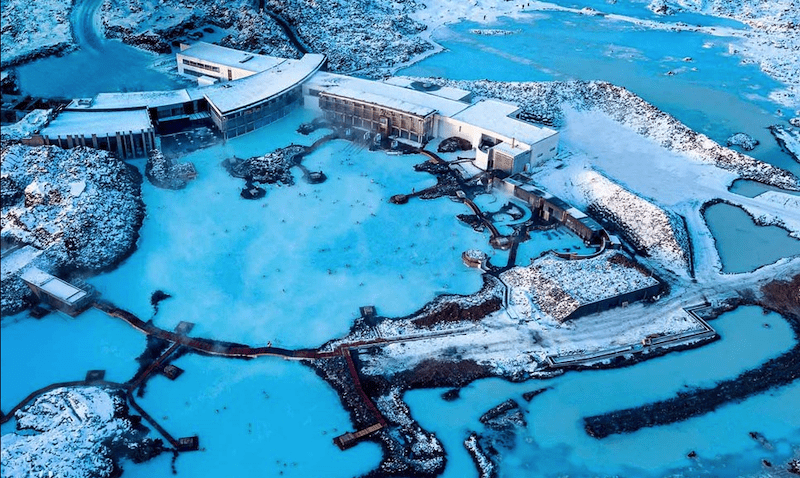
Most first-time visits to Iceland follow a recognisable pattern. The South Coast waterfalls – Seljalandsfoss, Skogafoss. The Golden Circle – Thingvellir, Geysir, Gullfoss. Jokulsarlon glacier lagoon. The Blue Lagoon. Reykjavik.
These places are extraordinary. Visiting them is not a mistake. But they are also the most visited sites in the country, and they present Iceland in its most accessible, most-photographed form.
What the first trip almost always produces, alongside the memories and photographs, is a sense that something was left unfinished. The Westfjords. The interior highlands. The north. The places that appeared on the map but did not make the itinerary because there was not enough time.
The clients who come back are not looking for the same experience again. They are coming back for the experience they did not manage to have the first time.
What Our Guides Show You That You Would Never Find Alone
Our private guides – Egill, Unnar, and the rest of our team – are Icelanders who have spent their careers in this country. Not studying it. Living in it.
When a client returns to Iceland with Deluxe Iceland after an independent first trip, the experience is almost unrecognisable.
Not because the landscape is different. Because the guide knows which valley holds a natural hot spring that no tourist board has marked on a map. Because he knows that if you leave Reykjavik at 5:30am on a clear March morning and drive to a specific point on the Reykjanes Peninsula, you will see the sunrise light hit the lava field in a way that only happens in winter. Because when the Aurora appears, he knows within minutes which direction to drive and which hill to climb to find the clearest sky.
These are not things that can be researched. They come from years of working in a place with genuine attention.
Iceland Changes – More Than Any Other Destination
Iceland has experienced nine volcanic eruptions on the Reykjanes Peninsula since 2023. The lava fields around the Blue Lagoon are different today from what they were two years ago. A landscape that is literally being redrawn in real time is, by definition, a destination that rewards return visits.
Beyond the volcanic activity, the seasonal transformation is significant enough that returning in a different season is not a repeat visit – it is a new trip.
The client who experienced Iceland in February, in deep winter with four hours of daylight and the Aurora overhead, will not recognise the country they visit in July under continuous midnight sun. Same roads. Same waterfalls. Completely different atmosphere, light, and emotional experience.
We actively design itineraries for returning clients around this. Second visits often target the opposite season from the first. Third visits go to the regions – the Westfjords, the Eastfjords, the highlands – that the first two visits did not reach.
The Regions That Most First-Time Visitors Never See
The Westfjords
The Westfjords are accessible by ferry from Stykkisholmur or by small aircraft from Reykjavik. They see a small fraction of the visitors that the Ring Road regions attract, and they look completely different — more remote, more dramatic, and quieter in a way that the popular sites are not.
The cliff formations at Latrabjarg, the westernmost point in Europe. The thermal pools at Drangsnes. The fishing villages with their unhurried character. For many returning clients, a Westfjords itinerary becomes their most memorable Iceland experience precisely because it feels nothing like what they expected.
The Interior Highlands
Open only from late June to early September when the F-roads become passable, the interior highlands require a vehicle and a guide equipped for conditions that are genuinely different from the Ring Road. What they offer in return — the rhyolite mountains of Landmannalaugar, the Askja caldera, the volcanic desert of the Kjolur route – is a landscape so unlike anything in the populated regions of the country that clients who have visited Iceland multiple times consistently describe it as the experience that surprised them most.
The North
Akureyri, Iceland’s second city, and the landscapes of North Iceland – Myvatn, Dettifoss, the diamond circle – attract far fewer visitors than the south and west. For clients who want the same quality of experience in a setting that feels undiscovered, the north provides it.
What We Design for Returning Clients
When a returning client contacts us, the first question we ask is not where they want to go. It is what they remember most about the first trip — and what they wish they had done differently.
From that conversation, we build an itinerary that is genuinely different from the first visit. Different season if possible. Different regions. Activities that require local knowledge to access – not just the experiences that appear in every Iceland travel guide.
The result is a trip that feels like a different country, even for someone who has already been.
That is why they come back.
Returning to Iceland? Let’s Plan It Properly.
Tell us about your first visit. We’ll design something entirely different.