
Among the luxury travelers we work with, a growing number arrive with a specific question. Not just where to go, or what to do when they get there. But whether the trip itself sits comfortably with their values.
It is a reasonable question. Long-haul luxury travel has a footprint. The properties, the experiences, the logistics – all of it carries an environmental cost that is worth taking seriously rather than dismissing.
Iceland makes this conversation easier than almost any other destination we work with.
Here is why.
The Energy Is Different Here
Iceland generates almost 100% of its electricity from renewable sources – geothermal and hydroelectric. Not as a target. As the current operational reality of the national grid.
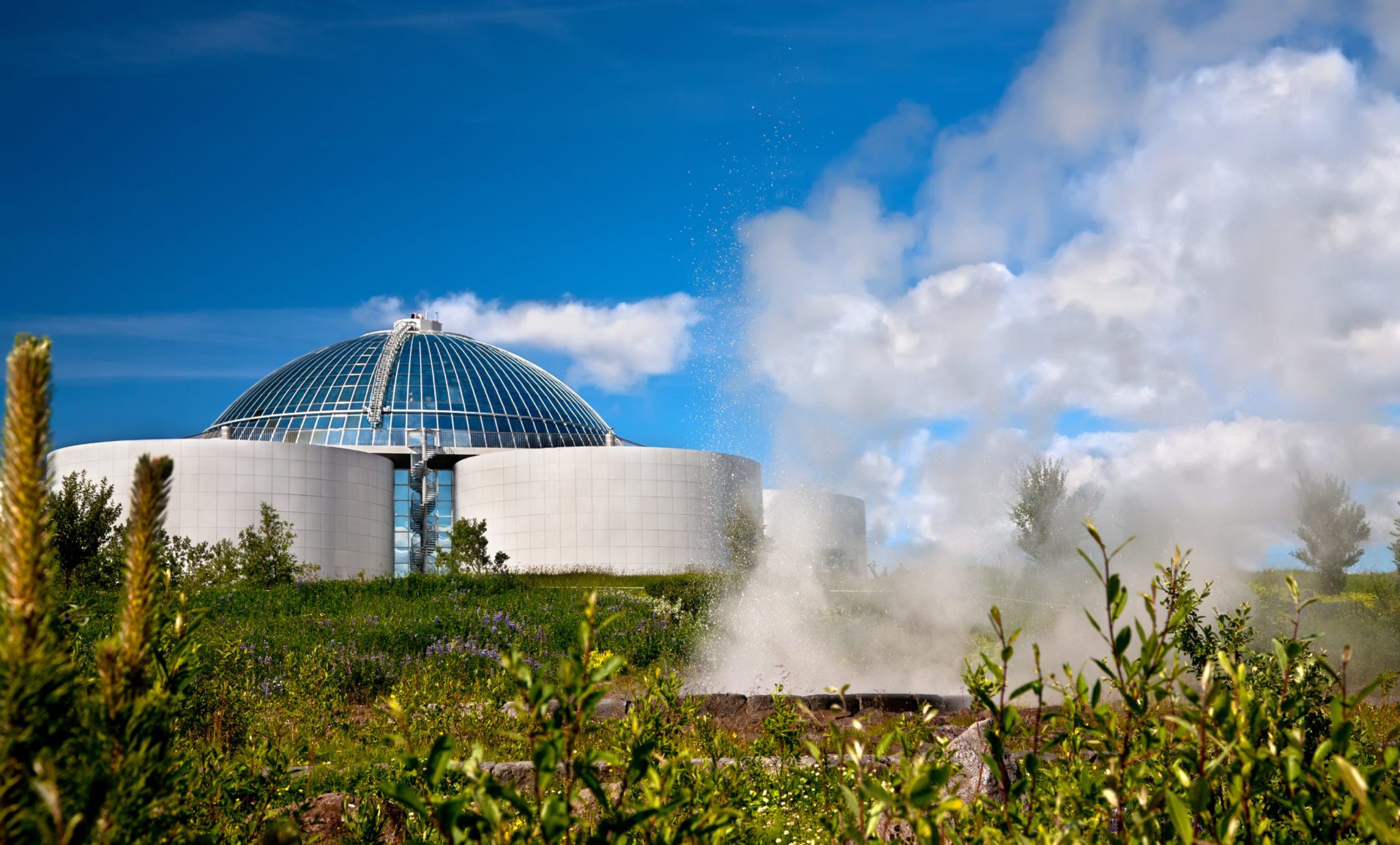
90% of all buildings in Iceland are heated by geothermal energy – the same volcanic system that created the landscapes our clients come to see. The hot water in your hotel suite, the floors underfoot, the pools you soak in – all of it comes from beneath the ground rather than from burning anything.
When you stay at The Retreat at Blue Lagoon, the water that defines the entire experience comes from 2,000 metres below the earth’s surface, filtered through volcanic basalt over decades. The Retreat runs on geothermal energy and renewable electricity. The luxury amenity is the geological system.
This is not a property-level sustainability choice. It is the baseline condition of operating in Iceland.
The Food Is From Here
Iceland’s geography makes local sourcing the practical reality rather than a marketing claim.
The lamb on the tasting menu at Dill grazed wild on Icelandic mountain pasture. The Arctic char was caught in Icelandic lakes. The langoustine came from the waters surrounding the Reykjanes Peninsula. The vegetables grew in geothermally heated greenhouses that require no fossil fuel input.
When our guides take clients to farmhouse dinners – experiences we arrange for groups who want something beyond restaurant dining — the provenance of every ingredient on the table is the length of the driveway.
Iceland’s fishing industry operates under strict quota management specifically designed to ensure stock sustainability. The catch that arrives at Reykjavik’s best restaurants is not depleting something. It is being harvested within boundaries that protect it for the next generation of fishermen.
The Landscape Is Actively Protected
Iceland has set a target of carbon neutrality by 2040. The Carbfix project – which captures CO2 and injects it into volcanic basalt where it mineralises permanently – is genuinely significant carbon capture technology, not an offset credit purchase.
More relevant to the daily experience of traveling here: the prohibitions on off-road driving carry substantial fines because the Icelandic government understands that the lava fields, the moss-covered volcanic plains and the interior highlands are not renewable on any human timescale. Once damaged, they do not recover.
Our guides operate entirely within these frameworks. When we take clients into the interior highlands, we use the designated F-roads and we do not deviate from them. When we stop at a waterfall or a beach, we approach from marked paths. This is not presented as a constraint. It is presented as the correct relationship between a visitor and a landscape that has been here for millions of years and will be here long after the visit is over.
The Flight Is Shorter Than You Think
From London to Reykjavik: approximately three hours.
From New York to Reykjavik: five to seven hours, depending on route and conditions. One of the shortest transatlantic journeys that exists.
The carbon cost of reaching Iceland is lower than reaching almost any comparable dramatic nature destination. Patagonia requires a minimum of fourteen hours from Europe or North America. New Zealand requires twenty-plus. Norway is comparable from Europe but significantly longer from North America.
We are not suggesting that flight emissions are insignificant. They are not. But for clients who are weighing the environmental cost of a trip against the destinations available to them, Iceland’s geography is a genuine advantage – a country that is closer to more of the world’s luxury travelers than almost any other wilderness destination at this level.
The Properties We Work With
Every property in our accommodation program has been visited and assessed by our team. Sustainability credentials are part of that assessment — not as the only factor, but as one that matters and that we ask about directly.
The properties that meet our standard share specific characteristics. They are heated geothermally. They source food locally where possible. They were designed to integrate with the landscape rather than impose on it. They have a clear position on the off-road and environmental protection regulations that Iceland enforces.
Our own lodge – a property we operate directly for Deluxe Iceland clients – was built and is managed with these principles as the foundation rather than the afterthought.
We cannot tell clients that choosing Iceland for a luxury trip eliminates environmental impact. The flight is real. The infrastructure of a high-end itinerary has a footprint.
What we can tell clients is that every hour spent in Iceland after landing takes place in a country powered by the earth, in landscapes actively protected by law and cultural commitment, eating food that came from the island itself, guided by people whose relationship with the place is lifelong rather than professional.
For clients who care about where and how they travel, that combination is genuinely rare.
Iceland offers it as a structural reality, not a premium option.
Travel Iceland With Confidence
Tailor-made private tours designed by local experts who know Iceland deeply. Contact Deluxe Iceland today.